The Fitbit vs Apple Watch debate has changed significantly in the last few years. What once felt like a simple “fitness band vs smartwatch” decision is now a nuanced choice involving ecosystems, subscriptions, long-term accuracy, battery expectations, and platform lock-in.
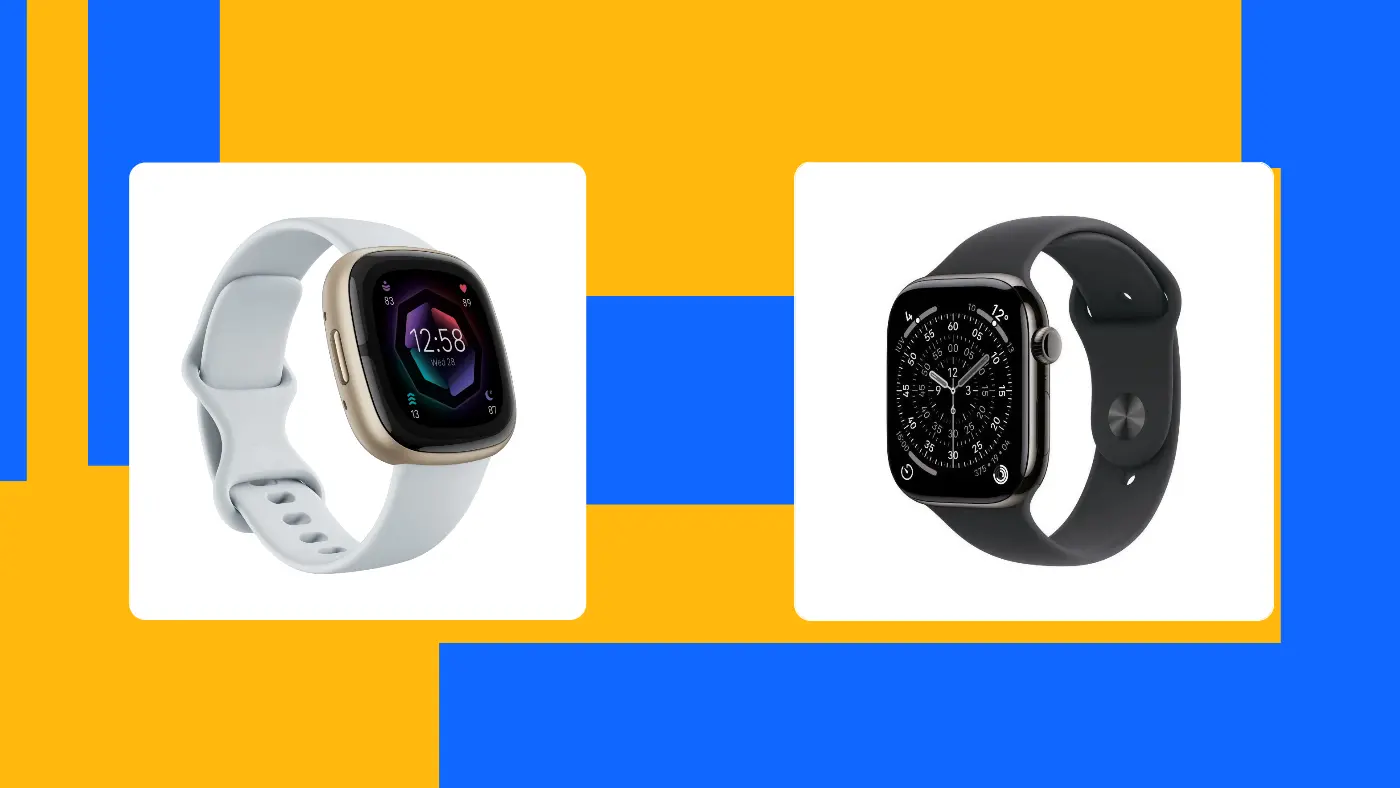
In 2026, the question is no longer “Which one is better?” but rather “Which one fits how you live, train, and use your phone?”
After testing multiple generations of both platforms side by side, one conclusion is consistent:
- Apple Watch is a powerful smartwatch that happens to be excellent at health tracking
- Fitbit is a health-first wearable that intentionally avoids becoming a full smartwatch
Instead of marketing claims, this comparison is grounded in how these devices perform day to day and whether they’re worth buying.
Specs at a Glance: Fitbit vs Apple Watch
| Feature | Apple Watch | Fitbit |
|---|---|---|
| Starting Price | $399 | $159 |
| Battery Life | 18–36 hours | 5–7 days |
| Compatibility | iPhone only | Android & iOS |
| Key Sensors | ECG, SpO2, temperature, HR, GPS | ECG, SpO2, HR, GPS |
| Subscription | Apple Fitness+ (optional) | Fitbit Premium (optional) |
| Core Strength | Smart features + accuracy | Battery + health insights |
Immediate takeaway: Apple Watch costs more and does more. Fitbit lasts longer and simplifies health data.
Model-Specific Comparisons (2026 Lineup)
Flagship: Apple Watch Series 11 vs Fitbit Sense 2
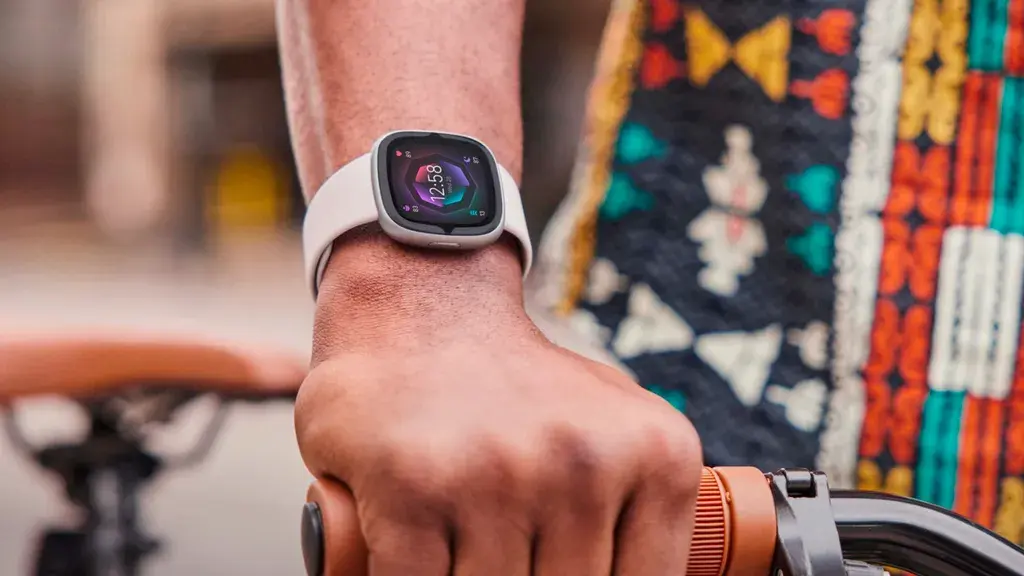
Apple Watch Series 11 represents Apple’s most refined wearable so far. Daily interactions feel instant. Notifications arrive without delay, apps open quickly, and the watch genuinely replaces phone interactions for short tasks like replying to messages, checking reminders, or approving payments.
In workouts, Series 11 continues Apple’s strength in heart-rate responsiveness. During interval training, we saw fewer dropouts and quicker spike detection compared to Fitbit. This matters if you do HIIT, running intervals, or structured gym workouts.
Fitbit Sense 2 takes a very different approach. It is not trying to replace your phone. Instead, it emphasizes long-term health trends, including stress, sleep, and recovery. Fitbit’s stress tracking, powered by EDA scans, feels more meaningful over time rather than as a daily gimmick.
Key distinction:
- Apple Watch Series 11 excels at short-term interaction and precision
- Fitbit Sense 2 excels at long-term patterns and consistency
If you want a device that actively engages you throughout the day, Apple wins. If you want a device that quietly collects data and summarizes your health clearly, Fitbit does better.
Budget: Apple Watch SE (3rd Gen) vs Fitbit Charge 6
This comparison is common, but it is also where buyers get confused.
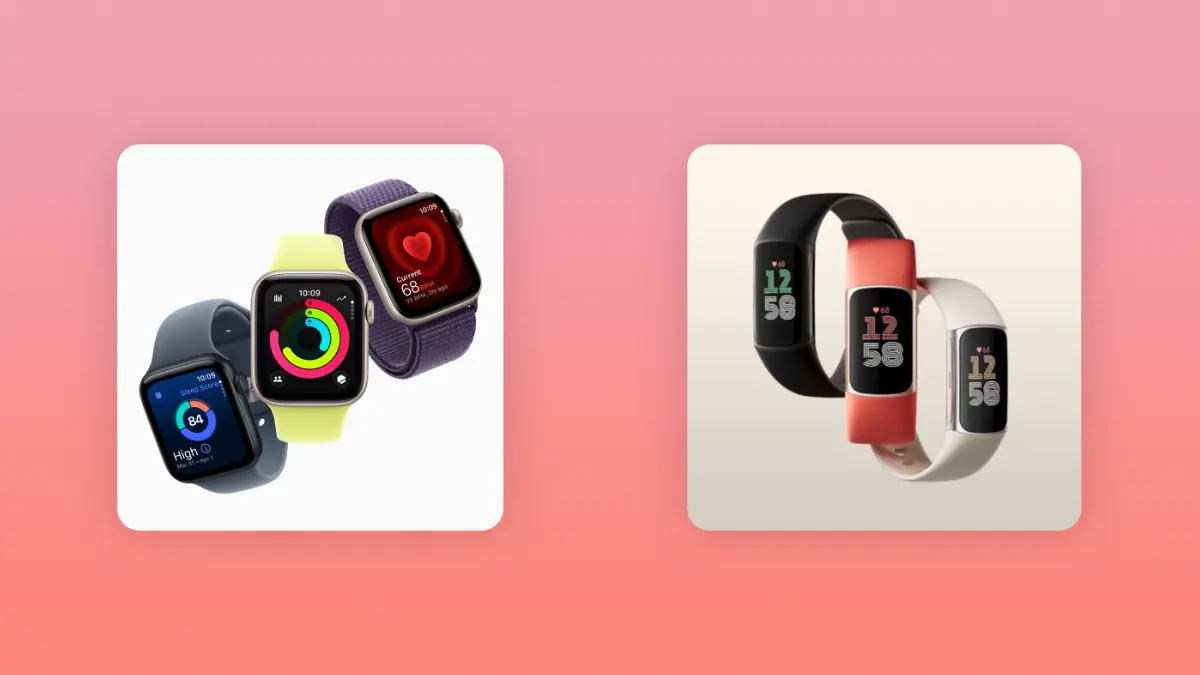
Apple Watch SE is a budget smartwatch, not a budget fitness tracker. You get Apple’s UI, app support, and smooth performance, but you still deal with daily charging and fewer health sensors.
Fitbit Charge 6, despite being smaller and cheaper, delivers:
- Built-in GPS
- Multi-day battery life
- Reliable sleep tracking
In real-world use, Charge 6 often ends up tracking more data simply because it stays on your wrist 24/7. Apple Watch SE frequently comes off at night to charge, which affects sleep consistency.
Honest verdict:
- Choose Apple Watch SE if you want smartwatch features
- Choose the Fitbit Charge 6 if fitness tracking is the priority
Pro / Rugged: Apple Watch Ultra 3 vs Fitbit (Why There’s No Rival)
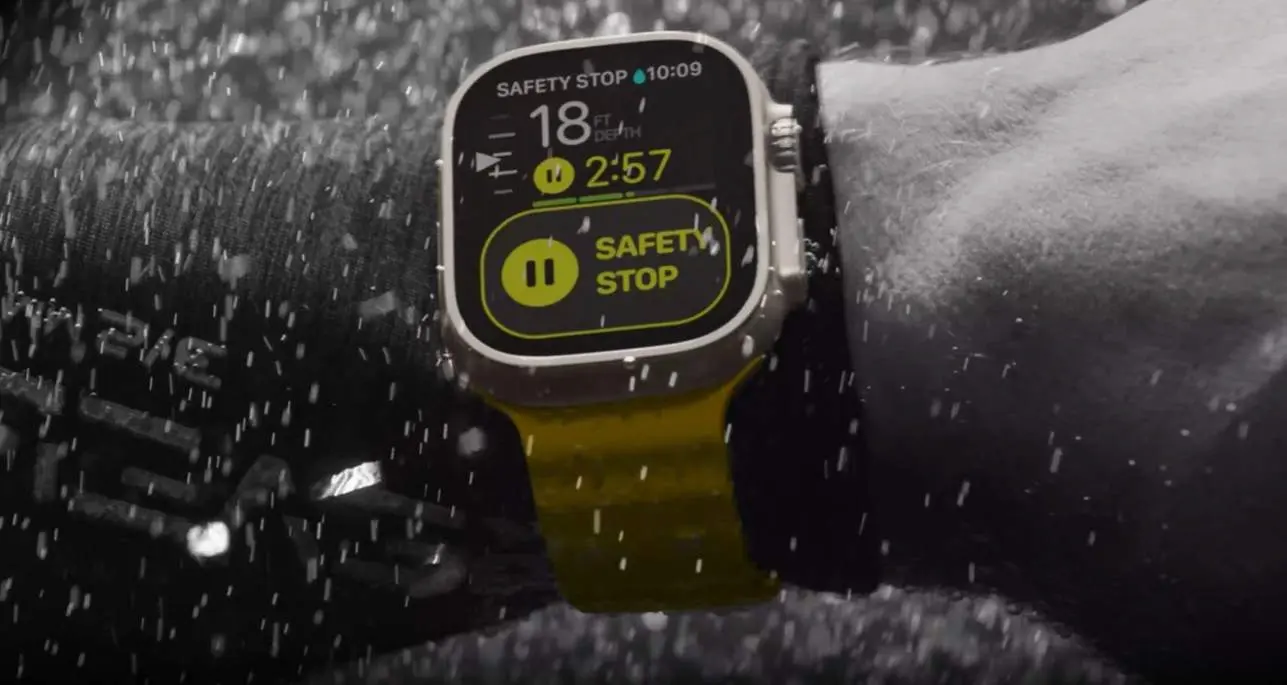
Apple Watch Ultra 3 exists in a category that Fitbit does not compete in.
Ultra 3 is built for:
- Multi-day outdoor training
- Diving and extreme sports
- Ultra-precise dual-frequency GPS
Fitbit’s strategy has never targeted this audience. Even advanced Fitbit users focus on wellness, weight management, and cardiovascular health, not expedition-grade durability.
That is why there is no Fitbit Ultra equivalent, and realistically, there never will be.
Subscription Deep Dive: Fitbit Premium vs Apple Fitness+
Subscriptions are where long-term value becomes clear.
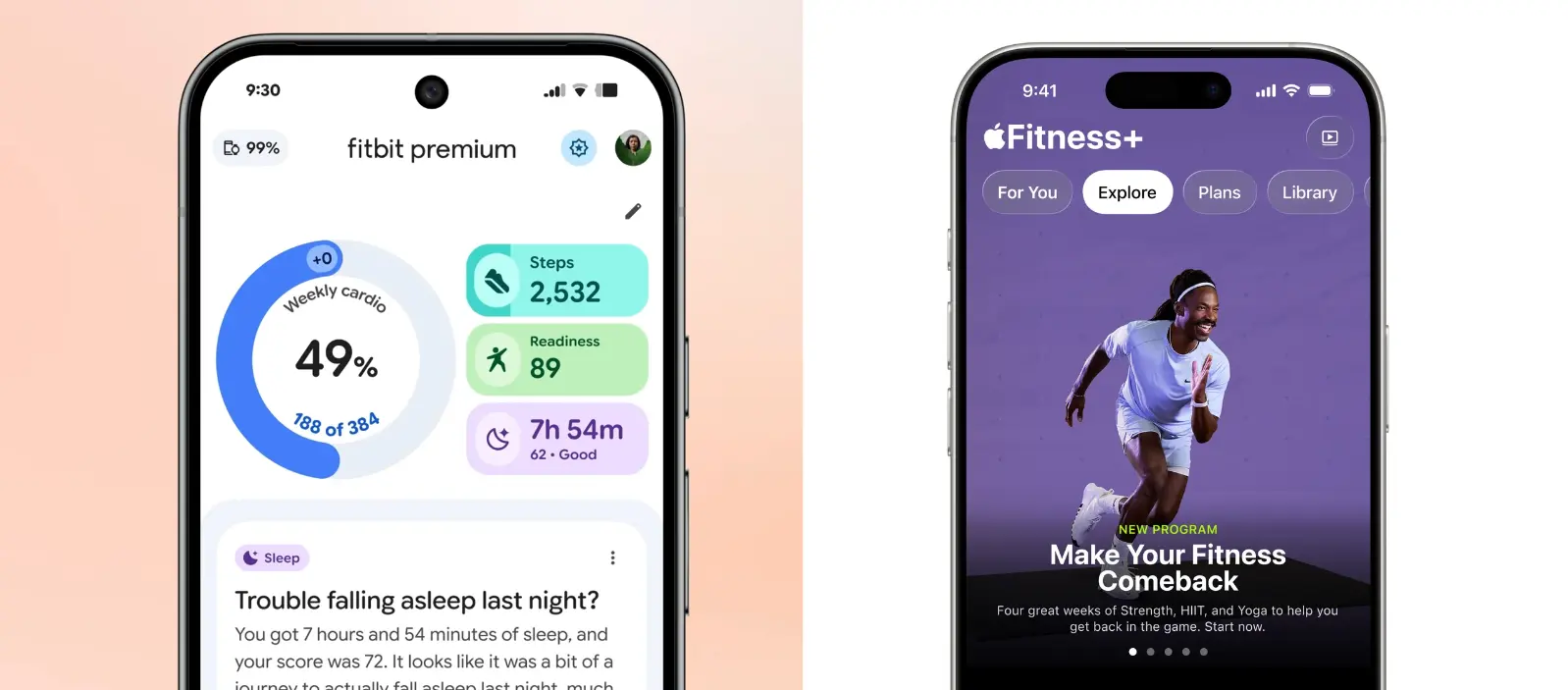
Fitbit Premium ($9.99/month)
Fitbit Premium unlocks:
- Daily Readiness Score
- Advanced sleep stages and trends
- Stress management insights
- Guided health programs
Without Premium, Fitbit still tracks the basics, but the insights stay fairly surface-level. After a couple of weeks, when patterns start to matter more than daily numbers, the gap between Premium and non-Premium becomes much more noticeable.
Premium is most valuable if:
- You care about recovery and readiness
- You want clear explanations, not just metrics
Apple Fitness+
Apple Fitness+ is optional and focused on guided workouts, not data interpretation.
You get:
- Professionally coached sessions
- Tight Apple Watch integration
- No health data locked behind paywalls
Apple does not restrict heart-rate, sleep, or ECG data. That transparency builds trust, especially for long-term users.
Value comparison:
- Fitbit Premium adds interpretation and coaching
- Apple Fitness+ adds motivation and structure
Ecosystem Comparison: Lock-In vs Flexibility
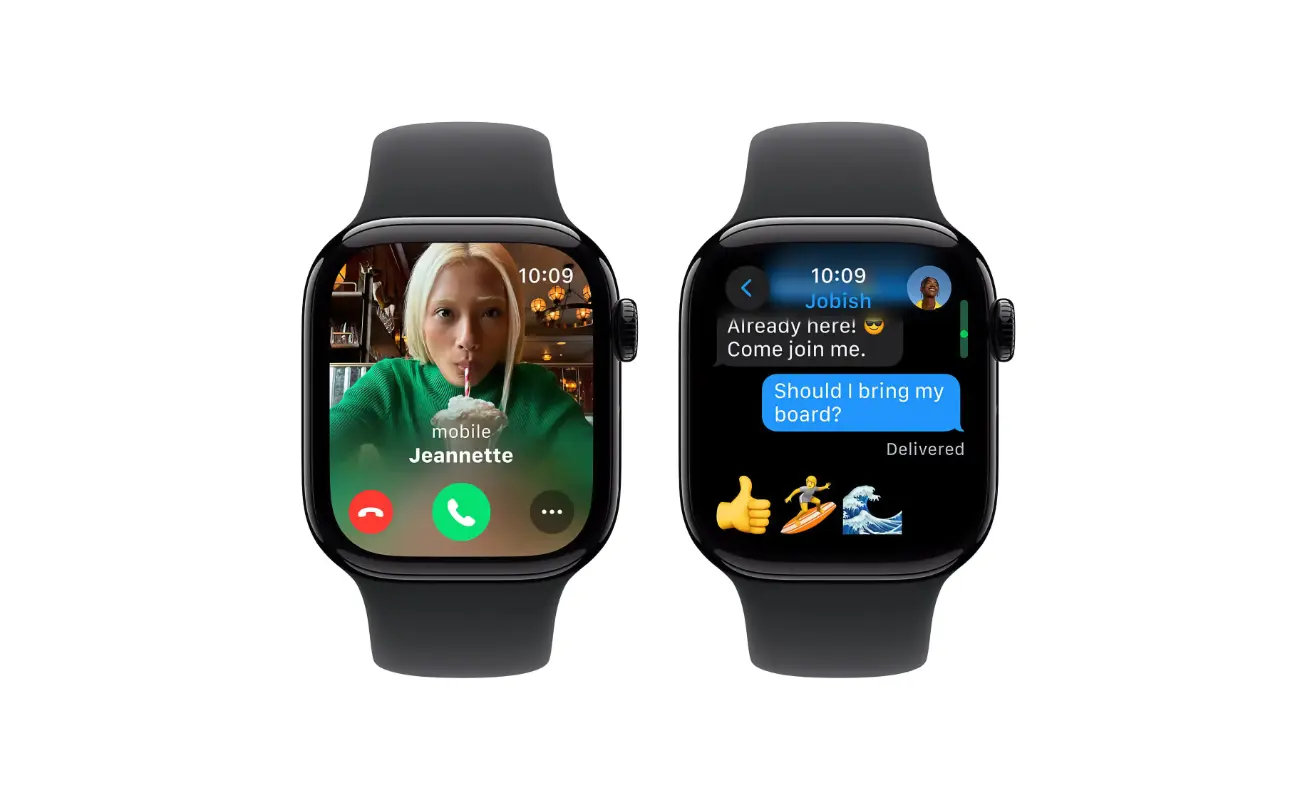
Apple Watch works only with iPhone. This limitation is absolute.
The upside is polish. Messages sync perfectly. Apple Pay works reliably. Apps feel native. Over time, the Apple Watch becomes an extension of the iPhone, not an accessory.
The downside is lock-in. Switching to Android means replacing your watch entirely.
Fitbit supports both Android and iOS, but with an important nuance. Since Google acquired Fitbit, some smart features work better on Android, including message replies and deeper Google service integration.
On iPhone, Fitbit behaves more like a traditional tracker with notifications rather than a smartwatch.
Clear takeaway:
- Apple Watch is ideal if you are committed to the iPhone long-term.
- Fitbit offers flexibility, especially for Android users or switchers.
Accuracy & Real-World Use
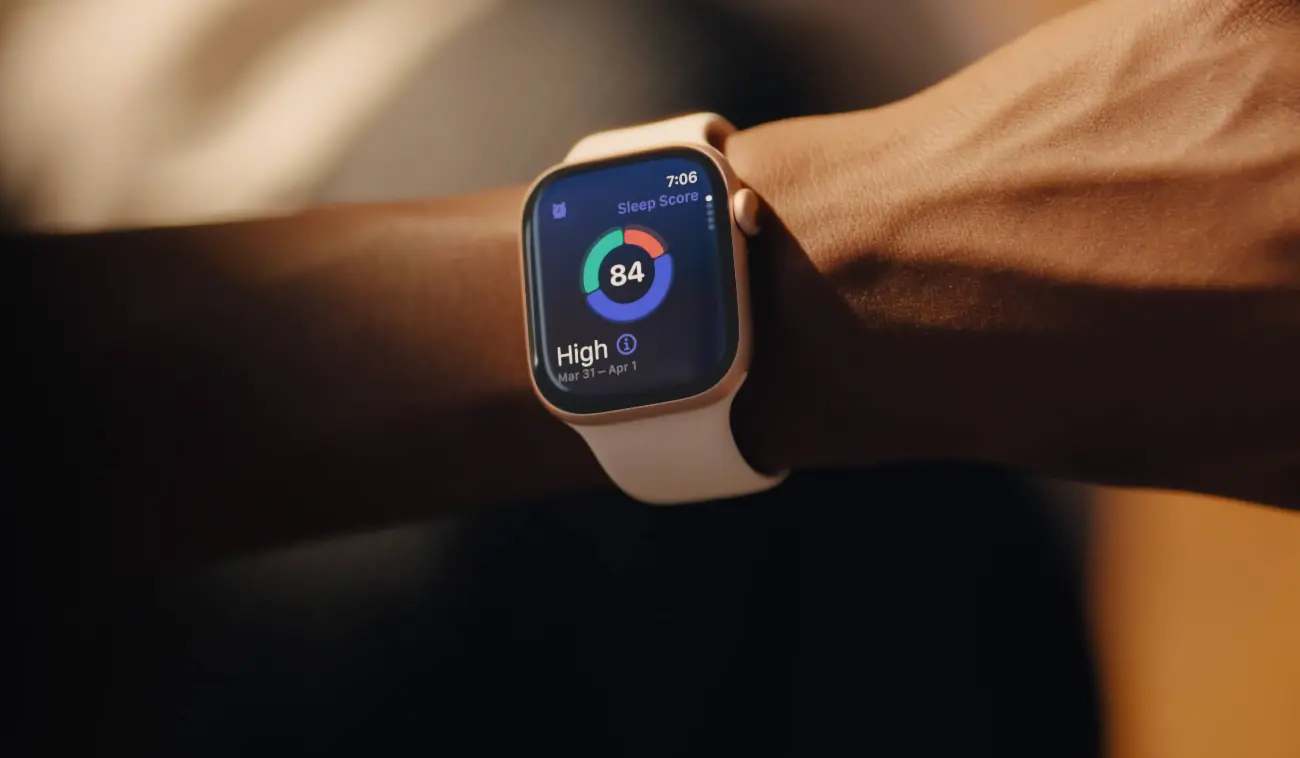
We wore Apple Watch and Fitbit devices simultaneously for a full week, alternating wrists. This helped surface not just peak accuracy, but consistency over time, which matters more for most users.
Heart Rate Accuracy
Apple Watch consistently reacted faster to sudden intensity changes. During interval training and uphill runs, heart-rate spikes appeared almost instantly. Fitbit smoothed data more aggressively, which looks cleaner but introduces slight delays. For steady-state cardio, both were effectively equal.
GPS Tracking
Apple Watch locked GPS faster and handled city routes better, especially near tall buildings. Fitbit GPS was accurate overall, but slower to lock, particularly at the start of runs. Over longer distances, total mileage differences were minimal.
Sleep Tracking
Fitbit remains best-in-class for sleep. Its sleep stages, sleep score, and weekly trends are easier to interpret and feel more actionable. Apple Watch tracks sleep reliably, but the presentation is more fragmented across apps.
Skin Temperature & Sleep Apnea Tracking
This became a major talking point in the 2025–2026 generation.
Apple Watch Series 11 uses wrist temperature trends primarily for cycle tracking and general wellness insights. Apple is careful with medical claims, so temperature data is subtle and contextual rather than heavily emphasized. It works best when worn consistently for weeks, not days.
Fitbit places more visible emphasis on nightly skin temperature variation. In testing, Fitbit’s interface made it easier to spot deviations from your baseline, which can correlate with illness, stress, or poor recovery.
On sleep apnea detection, Apple Watch now offers FDA-cleared sleep apnea notifications in supported regions, positioning it as a serious health-monitoring tool. Fitbit provides risk indicators and breathing irregularity insights, but Apple’s alerts feel more proactive and clinically framed.
Clear takeaway:
- Apple Watch leads in medical-grade alerts and responsiveness
- Fitbit leads in trend visibility and long-term interpretation
Pros & Cons
Apple Watch
What we like
- Best smartwatch experience
- Excellent workout accuracy
- No mandatory subscription
What we don’t like
- iPhone-only
- Daily charging
- Higher cost
Fitbit
What we like
- Multi-day battery life
- Industry-leading sleep tracking
- Cross-platform support
What we don’t like
- Premium subscription pressure
- Limited smart features on iPhone
- Smaller app ecosystem
Verdict: Who Should Buy What?
Buy an Apple Watch if
- You use an iPhone and plan to stick with it.
- You want smartwatch features beyond fitness.
- Workout precision and health alerts matter most.
Buy a Fitbit if
- Battery life and sleep tracking matter more than apps.
- You want health insights summarized clearly.
- You use Android or want platform flexibility.
Bottom line:
- Apple Watch is a smartwatch-first device with strong health tools.
- Fitbit is a health-first device designed for consistency and recovery.
Frequently Asked Questions
Is the Fitbit better than the Apple Watch for sleep tracking?
Yes. Fitbit offers deeper sleep analysis, clearer trends, and more actionable long-term insights.
Which is more accurate: Fitbit or Apple Watch?
Apple Watch is generally more accurate for heart rate and GPS, especially during high-intensity workouts.
Do I need an iPhone to use Fitbit?
No. Fitbit works on both Android and iOS.
Can Fitbit send texts on iPhone?
You can receive notifications, but replying is limited compared to Android.
Which one has better battery life?
Fitbit. Most models last 5–7 days, compared to daily charging on the Apple Watch.
Why trust us?
At The Unfolder, our comparisons are based on hands-on testing and real-world use, not spec sheets or brand claims.
We wear and test devices over time, compare data consistency, and focus on what actually matters day to day, like accuracy, battery life, and usability. Our goal is simple: clear, practical advice you can trust when choosing tech you will use every day.
Comments